ARCHER PRASANTA / STORE
YOUR CART
0 ITEMS
0
YOUR CART IS EMPTY
Add bike-care products to your cart and they will appear here instantly.
EXPLORE STORE ↗
03 / ENGINE REBUILD
Understand the condition. Make a considered plan. Rebuild the engine around what the inspection reveals.
Precision begins with understanding.
01 / START WITH THE SYMPTOMS
Tell us what feels different. A symptom starts the conversation; inspection determines whether servicing, repair or a rebuild is appropriate.
Unfamiliar noise or a change in how the engine runs.
Starting difficulties or performance that feels different.
Oil consumption or visible signs worth inspecting.
Previous internal work or an unresolved concern.
02 / INSIDE THE ASSESSMENT
Explore the main areas that may form part of an engine rebuild. The relevant checks depend on the engine and the agreed scope.
TOP END / INSPECTION SCOPE
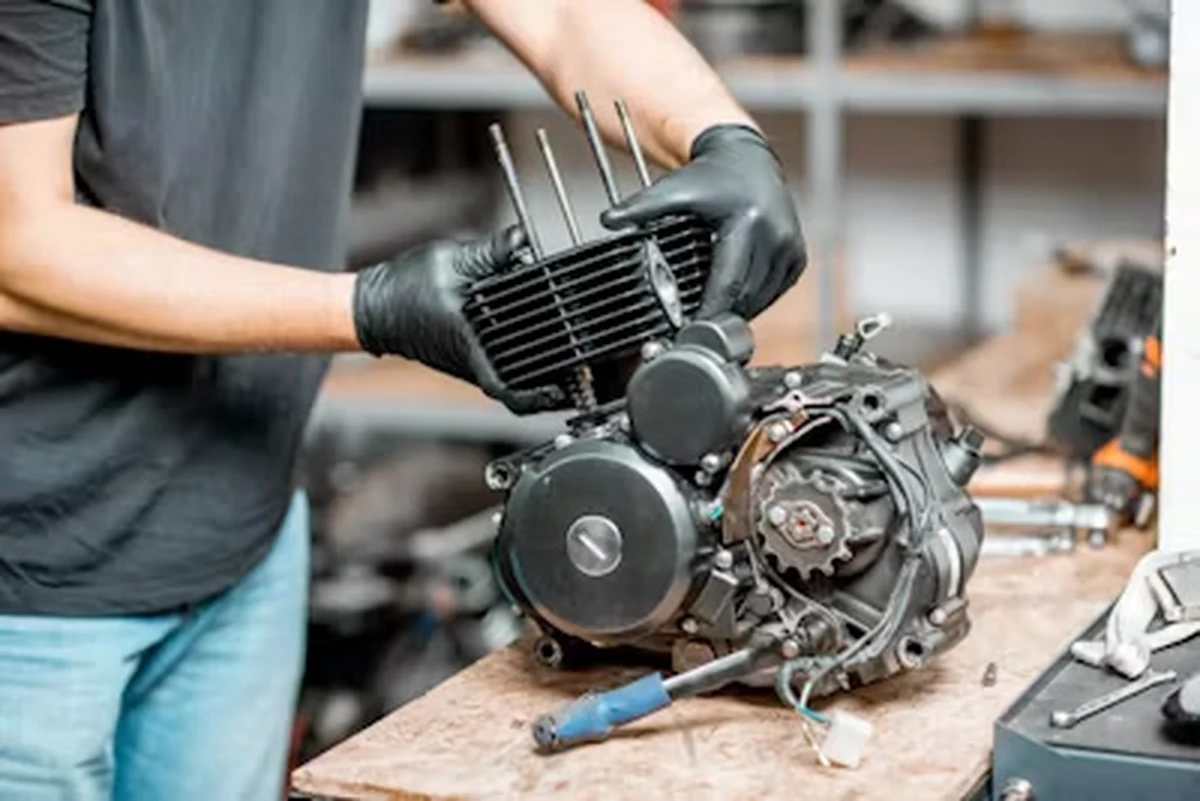
Cylinder, piston, rings, head and valves are assessed as applicable to the engine. The findings help define the repair scope.
The exact checks depend on your motorcycle and the findings.
Discuss an inspection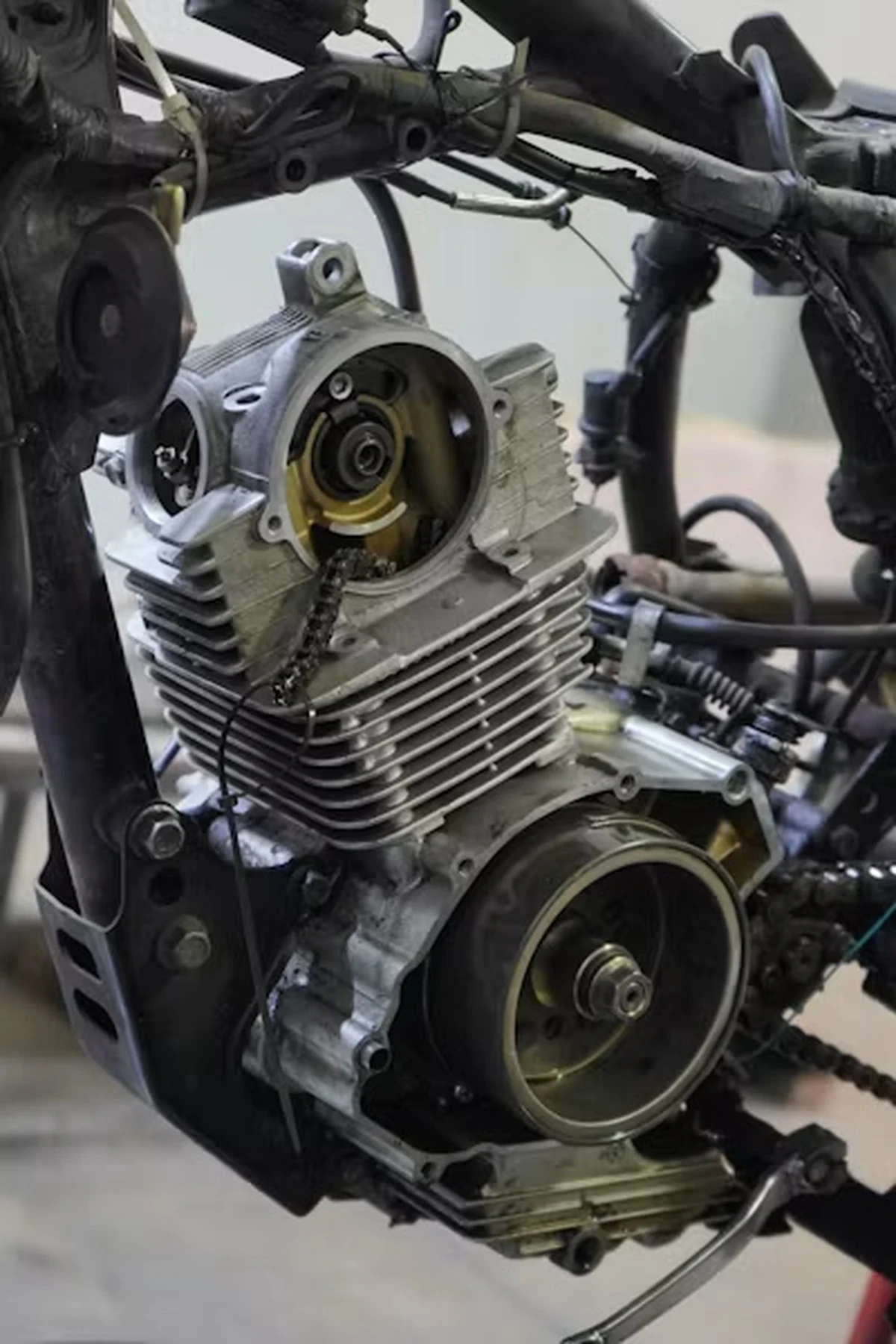
BOTTOM END / INSPECTION SCOPE
Crankshaft, bearings and connecting components are reviewed where the inspection calls for it. The scope follows the condition found inside.
The exact checks depend on your motorcycle and the findings.
Discuss an inspectionTIMING / INSPECTION SCOPE
The applicable timing components, their condition and their alignment form part of the rebuild assessment and assembly checks.
The exact checks depend on your motorcycle and the findings.
Discuss an inspection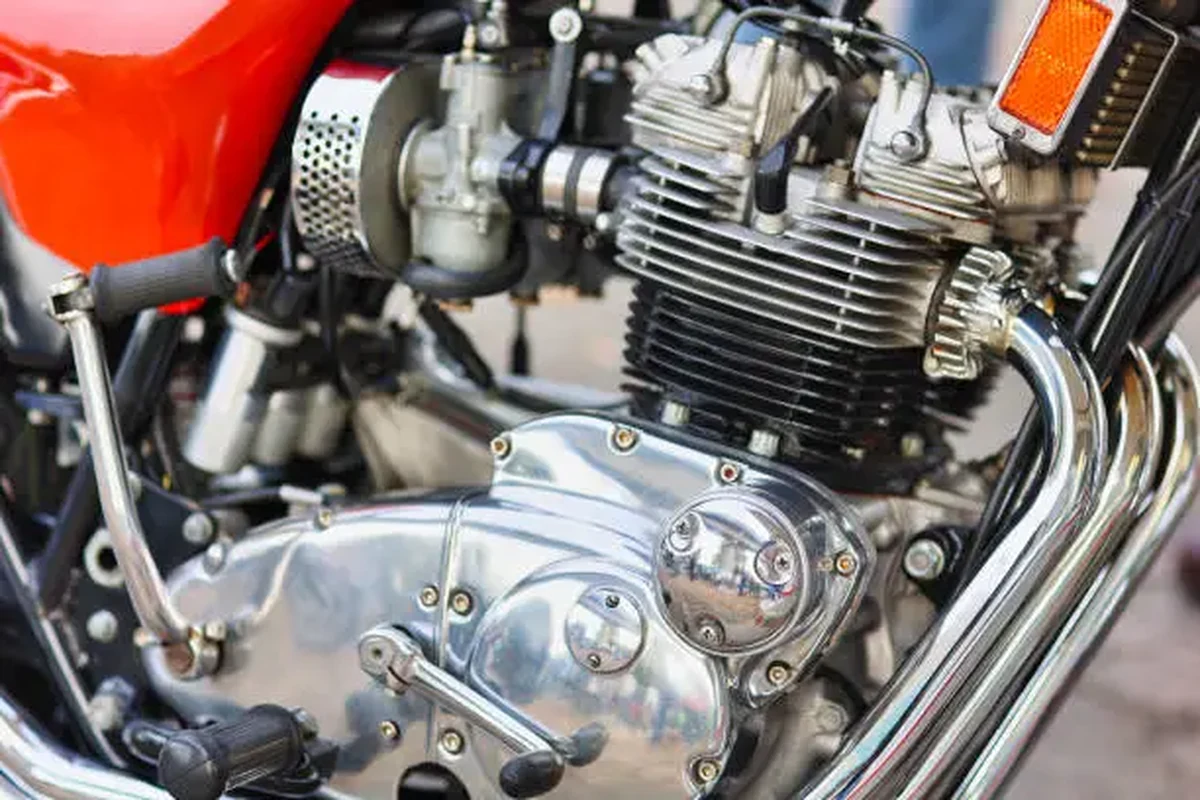
LUBRICATION & SEALING / INSPECTION SCOPE
Oil paths, pump-related condition, gaskets and mating surfaces are reviewed where relevant to the engine and the agreed scope.
The exact checks depend on your motorcycle and the findings.
Discuss an inspectionDiscuss the symptoms, previous work and current condition. Initial inspection helps decide whether internal investigation is needed.
You share the history. We establish the next step.
The engine is removed or opened only as far as the confirmed scope requires. Internal findings may change what needs attention.
Additional findings are discussed before the scope moves forward.
Assemblies are disassembled methodically and organised for inspection. Wear, damage and signs of previous repairs are reviewed.
The condition inside guides the repair plan.
Relevant measurements and component condition inform repair, machining and parts decisions. Confirm the revised scope and estimate when required.
Approve the work and any agreed advance before the rebuild proceeds.
Serviceable parts are prepared and the agreed repairs or replacements completed. Assembly brings timing, sealing and lubrication details together.
The rebuild follows the confirmed scope.
Start-up behaviour, leaks, abnormal noise and running condition are checked as appropriate. Review the completed work and care guidance at handover.
Complete the agreed invoice and delivery steps.
04 / A CONSIDERED REBUILD
The repair plan should be understandable: what can stay, what needs attention and what has been agreed.
Assess the existing components before deciding what the rebuild needs.
Discuss repairs, replacement parts, machining and the estimate. Further findings may call for a revised plan.
INSPECTION → APPROVALReview running behaviour and the relevant final checks, then the completed work and care guidance.
ASSEMBLY → VERIFICATIONAlready a customer? Review the service information shared by the workshop.
05 / THE WORK IN DETAIL
Reference imagery. Archer Prasanta project photographs will be added here.
06 / BEFORE WE BEGIN
Every engine has a different history. These are useful things to discuss before the work begins.
No. Inspection comes first. A rebuild is considered when the findings point to internal work that cannot be resolved through the appropriate servicing or a smaller repair.
No. Components are assessed individually. Serviceable parts can be retained, while repair or replacement is defined by condition and the agreed plan.
Yes. Share any previous repair history and available records. Earlier assembly, damaged parts or modifications may affect the scope once the engine is inspected.
The engine, internal condition, machining requirements and parts availability affect the estimate and schedule. Teardown can reveal additional work, which needs to be discussed and approved.
Use My Account to review service information shared by the workshop for your job. Discuss the findings and approve any required scope changes through the existing customer process.
Yes. The inspection request page lets you share motorcycle details and photographs. Include the symptoms and previous repair history so the workshop has useful context before inspection.
YOUR MOTORCYCLE. ITS NEXT CHAPTER.
Share the symptoms, its history and any earlier repairs. Start with an inspection.